The first week of school is a strange kind of stress test. Buses run late. Nobody remembers their locker combination. And somewhere around Tuesday, the district's absence management process gets put through the wringer, whether it was planned for or not.
Here's why that week matters so much, and what it tells you about the system running underneath it.
The first callout sets off a chain reaction
It usually starts small. A teacher wakes up sick on day two. Maybe it's a first-year hire who caught whatever their students brought in during orientation. They call it in before 6 a.m., hoping someone sees the notification before the first bell rings.
If the district's fill process depends on a phone tree, a shared spreadsheet, or a sub coordinator manually working down a list, that one absence turns into a scramble. And the first week is exactly when the sub pool is thinnest, since plenty of substitutes haven't onboarded yet, some are waiting on background checks, and others simply haven't decided which schools they want to work at this year.
So the fill doesn't happen, and the scramble becomes a firedrill. HR directors and absence coordinators start getting texts and calls before their coffee's done brewing, from principals who need an answer now, not after a ticket gets triaged. That's an exhausting way to start a school year, and it's a sign the absence process is relying on people instead of a system. When filling a job requires someone to personally track down a sub, call three others when the first one doesn't answer, and then update whatever spreadsheet is standing in as a source of truth, the system isn't really managing absences. People are managing absences, and the system is just where they write it down afterward.
The payroll errors show up weeks later
What doesn't get talked about enough is this: the chaos of week one doesn't end in week one.
When absences get logged inconsistently (a sub assigned verbally but never entered, a half-day marked as a full day, a long-term sub whose pay rate never got updated in the system) those small errors sit quietly until payroll runs. Then a payroll admin spends hours untangling what actually happened weeks ago, cross-referencing timesheets, emails, and whatever the principal remembers. Multiply that across every building, and payroll can spend weeks cleaning up what the first week actually cost.
None of this is really about the first week. It's about whether the system a district is using can handle real-time pressure or only works when things are calm.
What a system built for this really looks like
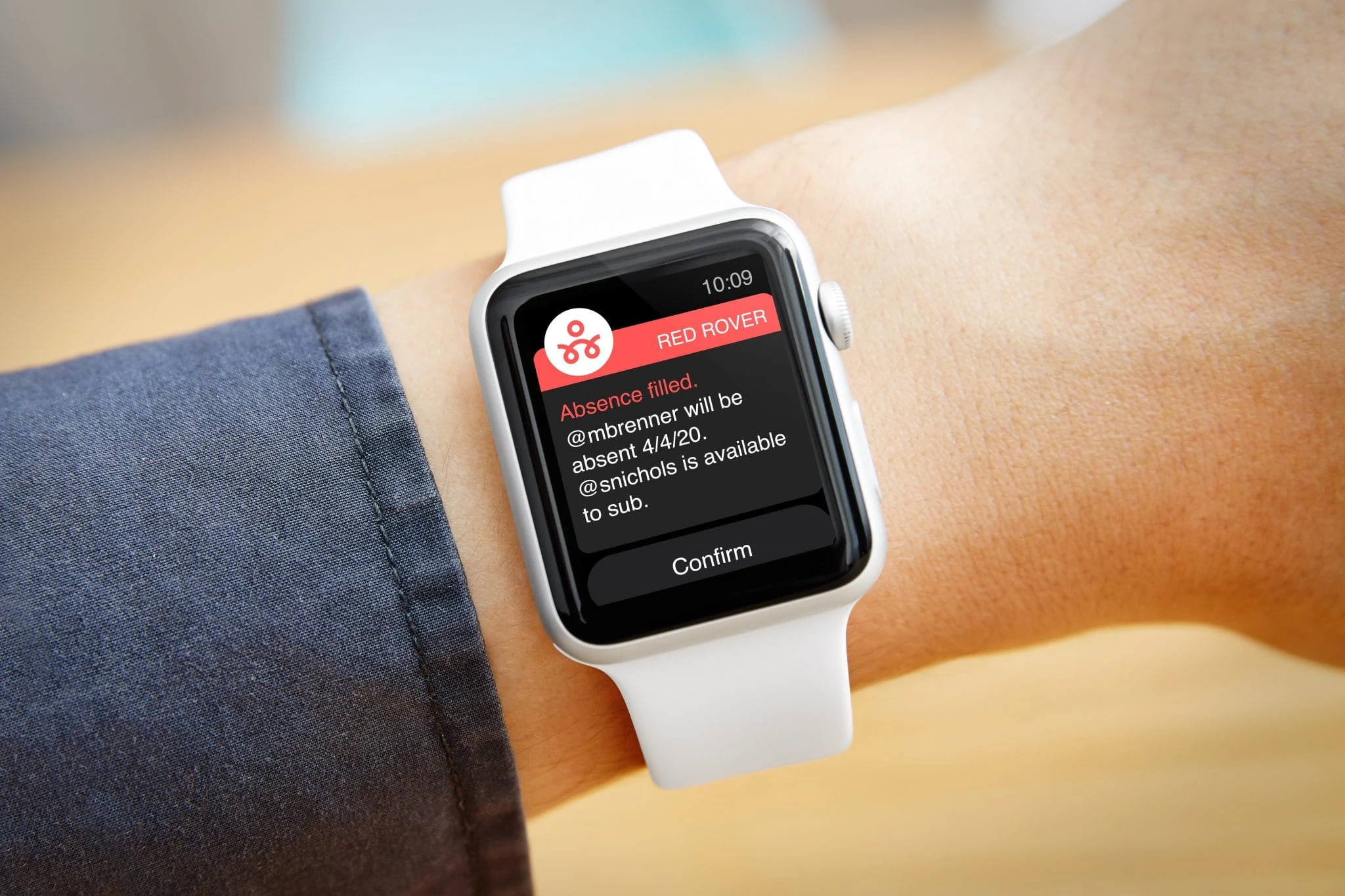
When a teacher calls in sick at 5:45 a.m., the system checks who's qualified, available, and already cleared for that school, then offers the job automatically. No sub coordinator working down a phone list before the sun's up, no calling three people before finding one who picks up. The absence gets posted, a qualified sub gets matched, and the fill happens on its own timeline.
That's not just faster. It's the difference between a system that needs someone watching it every minute and one that keeps working while everyone's asleep, which matters most in the exact week when sub availability is tightest and everyone's stretched thin.
Principals and payroll see the same story
Coverage visibility shouldn't require a phone call. Instead of calling the district office to ask who's got room 12 today, a principal can look at a dashboard and know immediately whether a classroom is covered, pending, or still open. That's one less call HR must take at 6 a.m., and one less thing a principal must chase down before the first bell.
That same record carries through to payroll. A sub assignment, a pay rate, a half-day versus full-day distinction: all of it gets captured once, at the point the absence happens, instead of getting reconstructed from memory weeks later. Payroll closes out those first pay periods looking at the same record everyone else already used, not chasing down what actually happened on day two.
That's the real difference between a system that survives the first week and one that's built for it. Less of the work depends on a person catching everything in real time, and more of it just runs.
One system, not five tools stitched together
Most of the districts we talk to aren't running one broken process. They're running several separate ones (absence tracking, a time clock, a payroll export, a spreadsheet someone built years ago to catch what falls through) and hoping the handoffs between them hold up during the busiest week of the year. They usually don't.
The bigger win isn't just fixing absence management on its own. It's connecting absence and time tracking so they're not two systems that need to agree with each other, but one record that never disagrees in the first place. When a district has both running together, leave accrual can be calculated directly from hours worked and credited automatically as timesheets get saved, instead of an HR admin doing that math by hand at the end of a pay period. An absence entered on day two shows up correctly in the timesheet for day two. Nobody's reconciling two separate tools to figure out why the numbers don't match.
That only works, though, if the time tracking side actually understands K-12. Subs, part-year contracts, hourly and salaried staff on the same campus, pay rules that change by position and by building: a generic time clock built for retail shift work doesn't know what to do with any of that, so districts end up building workarounds on top of it. A time tracking system built specifically for K-12 already speaks that language, which is what makes the connection to absence management hold up instead of becoming one more integration to manage.
What could this year look like?
If last year's first week left your HR team running on fumes and your payroll team playing detective for weeks afterward, that's worth sitting with for a minute before this year's first callout even comes in.
What would it look like if the first callout of the year filled itself? If a principal could see coverage status without calling the district office? If payroll closed out those first few weeks without a single "wait, what happened here" moment?
That's the difference between an absence management that barely survives the first week and one that's built to thrive. The first day might already be locked in, but the rest of this year isn't, and neither is 2027. It's worth thinking about now.