When we talk about “modern” school districts, what comes to mind?
For many, the word conjures images of sleek devices, AI-powered tools, and digital dashboards. But ask any experienced K-12 leader, and they’ll tell you the most modern districts aren’t defined by their technology. They’re defined by how they treat people and how well their systems actually work.
noun
A people-centered organization that uses flexible systems, supportive practices, and smart technology to meet the evolving needs of today’s students, staff, and families. A modern K-12 district continuously improves its processes, elevates human capital leadership, and leverages its resources to serve a diverse and changing community.

Your workforce is your strategy. How you recruit, onboard, support, and retain talent determines everything else.
Clear, consistent, documented systems that reduce friction, eliminate silos, and let people focus on what matters.
Tools that serve your people and processes. Your tech should make jobs easier, not add to the pile.
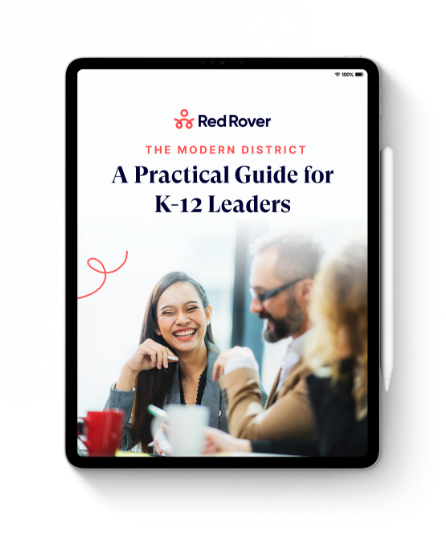
Get the complete framework, real examples from K-12 HR leaders, and a self-assessment your district can use today.

Section 1:
The K-12 sector is under pressure like never before. Staffing shortages, rising expectations, generational workforce shifts, and the pressure of doing more with less has combined to create a fundamentally different operating environment than the one most district systems were built for. This isn’t a temporary disruption. It’s a structural change.

According to the Learning Policy Institute, approximately 1 in 8 teaching positions nationally are either unfilled or filled by someone not fully certified for the role. That's over 400,000 positions where students aren't getting what they need. The problem extends beyond teachers, too: 74% of districts in 2024-25 reported difficulty filling positions for roles such as bus drivers, food service workers, paraprofessionals, and counselors.
411,549
teaching positions unfilled or filled by underqualified teachers (1 in 8 nationally)
74%
of districts reported difficulty filling positions in 2024-25
$12K – $25K
cost to replace a single
departing teacher
“At the end of the day, we are still in a people business. Everything that we do is for our kids, is for our staff, is for our families. I feel like the sector in many ways has gotten away from that humanistic end of it.”
— Jay Midwood, Director of the Registered Teacher Apprenticeship Program, Rhode Island College
One way to test for this: ask an employee why they're doing something. If the answer is "I don't know, because so-and-so taught me," some processes might be broken. When employees understand the big picture and can connect their tasks to outcomes that matter, that's operational maturity.
Section 2:
Before a district can innovate, it must first establish operational stability. The most effective districts don’t chase every new initiative or rush to adopt the latest platform, they build solid foundations that allow meaningful change to take root. We call this foundational maturity: getting the basics right before layering on complexity.

“You need to have clear processes. This is how we’re going to do things. This is where we’re going to put certain fields. If you’re not tracking something and you discover somebody’s keeping it on a spreadsheet, you find a place to track that in the system because spreadsheets are not allowed.”
— Tina Limmer, HR Director, Puyallup School District, WA
Mature districts:
Departments meet regularly to align
Data is consistent and trustworthy
Processes are documented and accessible
Cross-training ensures continuity
Employees can explain why they do things
One way to test for this: ask an employee why they're doing something. If the answer is "I don't know, because so-and-so taught me," some processes might be broken. When employees understand the big picture and can connect their tasks to outcomes that matter, that's operational maturity.
Section 3:
In K-12, your workforce is your strategy. Everything a district accomplishes, student achievement, school culture, community trust, flows through the people who show up every day. How you attract, support, and retain those people isn’t an administrative function. It’s at the core of the work you do.
Every unnecessary step in the hiring process, every paper form that requires a trip to the printer, every unclear expectation creates an opportunity for talented candidates to choose a different path. Friction in your systems costs you people, often before you even know they were interested.

“Every single person I’ve talked with has one thing in common. They want to progress, they want to grow, they want to get better. It’s helping them see the possibilities within themselves and how they fit within this ecosystem. That has been the game changer for us.”
— Jay Midwood, Director of the Registered Teacher Apprenticeship Program, Rhode Island College
Understanding what your workforce actually values, not what you assume they value, is the starting point. That applies just as much to substitutes, who are too often treated as disposable fill-ins, as it does to full-time staff. Modern districts invest in substitute training and build systems that make it easy for subs to find and accept assignments.
Section 4:
The best district operations are invisible. Teachers don’t think about how paychecks get processed. Principals don’t need to worry about if subs are scheduled for their classrooms. Parents don’t wonder if attendance records are accurate. But achieving that invisibility requires intentional design.
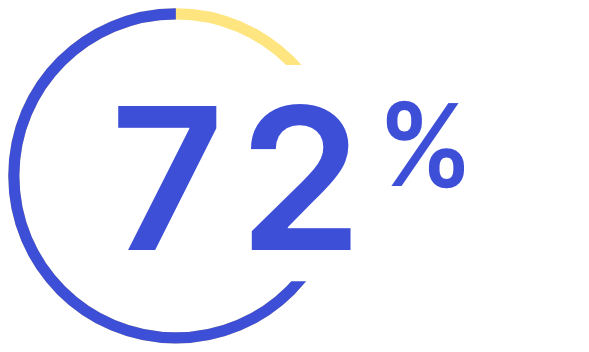
of HR professionals say automation has helped them work more efficiently.
Source: SHRM

“At the end of the day, we are still in a people business. Everything that we do is for our kids, is for our staff, is for our families. I feel like the sector in many ways has gotten away from that humanistic end of it.”
— Jay Midwood, Director of the Registered Teacher Apprenticeship Program, Rhode Island College
Modern districts use automation to free people from repetitive tasks, not to replace human judgment. The goal is eliminating busywork so staff can focus on what matters. That same logic applies to autonomy: districts that empower principals as “CEOs of their schools” still operate within a clear framework, so that 32 schools can support their own culture, while still operating within the clear framework.
Section 5:
If there’s one misconception this framework aims to correct, it’s the thought that modern districts are defined by their technology. Technology is a tool, and a genuinely useful one. The question isn’t whether you have the newest platform, it’s whether your technology serves your people and your mission.

“Our old IT director did this whole time clock system for our paras and lunch aides. Great idea, great concept. Then I looked at it: ‘How is this system going to talk to that system?’ What this creates is actually triple the amount of work, to take a round peg and put it into a square hole.”
— Jay Midwood, Director of the Registered Teacher Apprenticeship Program, Rhode Island College
Modern districts don’t just buy software, they demand interoperability. When a teacher submits an absence request, the right substitute should be notified, assigned, and paid accurately, without manual handoffs or duplicate entry at each step. That’s why Red Rover built its platform as a unified human capital management system from the ground up, connecting the employee experience in one environment rather than bolting separate tools together.
A technology platform that staff won't use is a failed investment, regardless of its features. The districts that get this right involve end users in selection and design, provide meaningful training, and measure success by adoption, not just capability.
Section 6:
Every operational improvement in this framework depends on culture. The best systems won’t work if people don’t trust them, understand them, or believe in their purpose. Culture flows from leadership: what leaders pay attention to, how they spend their time, how they treat people. Those signals matter more than any mission statement.
I walked down the hall not long ago, a little overwhelmed. Our interim superintendent asked, ‘How are you doing, Tina?’ I probably grunted at him and kept going. He walked all the way down the hall, then turned around and came back. He said, ‘That’s not your normal response. What’s going on?’ It sounds cliché to say it comes from the top down, but I feel the difference in our district when we have leaders who genuinely care” make red to have it stand out.
— Tina Limmer, HR Director, Puyallup School District, WA
72%
of Gen Z workers cite a values clash with their employer as a reason for leaving a job
50%
cite poor work-life balance
None of this collaboration is possible without psychological safety, or the belief that people won't be punished for speaking up. Modern leaders also look beyond their own districts for ideas. The challenges you're facing, someone else has likely already solved them.
Source: LiveCareer
Section 7:
Before charting a path forward, districts need an honest assessment. This isn’t about judgment, it’s about clarity. Ask your team where you actually stand across all four dimensions of the framework:

Emerging
(Reactive)
Decisions made ad hoc, departments work in isolation, technology purchased without strategy
Developing
(Stabilizing)
Beginning to document processes, some cross-departmental communication
Modern
(Intentional)
Clear documented workflows, technology integrated and adopted, culture of continuous improvement
You can't fix everything at once. Weigh impact, feasibility, dependencies, and quick wins to find where to focus first. The full self-assessment in the eBook walks through all three pillars in detail.
How many times does one new hire's information get typed into your systems before they ever show up...
The first week of school is a strange kind of stress test. Buses run late. Nobody remembers their...
EXTON, PA – August 4, 2026 - Red Rover, the fastest-growing provider of modern human capital...
What makes a school district “modern”?
Lorem ipsum dolor sit amet, consectetuer adipiscing elit. Aenean commodo ligula eget dolor. Aenean massa. Cum sociis natoque penatibus et magnis dis parturient montes, nascetur ridiculus mus.
Is modernization the same as adding more technology?
Lorem ipsum dolor sit amet, consectetuer adipiscing elit. Aenean commodo ligula eget dolor. Aenean massa. Cum sociis natoque penatibus et magnis dis parturient montes, nascetur ridiculus mus.
Where should a district start if it wants to modernize?
Lorem ipsum dolor sit amet, consectetuer adipiscing elit. Aenean commodo ligula eget dolor. Aenean massa. Cum sociis natoque penatibus et magnis dis parturient montes, nascetur ridiculus mus.
How do I know if my district needs this framework?
Lorem ipsum dolor sit amet, consectetuer adipiscing elit. Aenean commodo ligula eget dolor. Aenean massa. Cum sociis natoque penatibus et magnis dis parturient montes, nascetur ridiculus mus.
CLOSING
A modern district isn't defined by the tools it buys, but by the systems it builds and the people it empowers. Just people who understand why they do what they do, working within systems designed to help them succeed, in service of the students who need them.
We are here in service of our students. We are here in service of our school leaders. We want to make their job easier so that they can focus on learning and teaching and taking care of our kids."

— Jay Midwood,
Director of the Registered Teacher Apprenticeship Program,
Rhode Island College
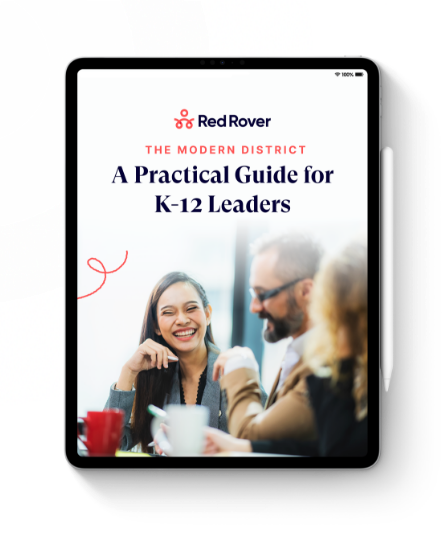
Get the complete framework, real examples from K-12 HR leaders, and a self-assessment your district can use today.